
← Back to Industry Market
Automotive Electronics
Alpha Certified Solution

Empowering On-board Reliability

The evolution of the automotive industry is leading electronic assembly towards high energy density and extreme reliability. Our solutions solve thermal mechanical fatigue at the alloy level and strongly inhibit ion migration in the flux system.

Core Technical Advantages

  • Excellent thermal fatigue resistance: Alloy formula performs excellently in intense thermal cycling (TCT).
  • Extremely low voiding: Significantly improves the heat dissipation efficiency of power devices.
  • Strongly inhibiting electromigration (ECM): Ensuring the electrical safety of the board surface in humid and high-voltage environments.
  • Full industry compliance: Meets AEC-Q reliability standards and RoHS environmental directives.

Application Process Analysis

For complex assembly of modern on-board mainboards, we recommend Alpha flagship solder paste solutions. Its unique flux carrier precisely excludes gases during reflow, achieving industry-leading low voiding performance, critical for high-voltage connectors and BMS busbars.

Additionally, the supporting low-temperature soldering technology effectively prevents substrate warping and protects heat-sensitive sensor chips. Through our lifecycle technical support, customers can lock in the optimal process window early in mass production.
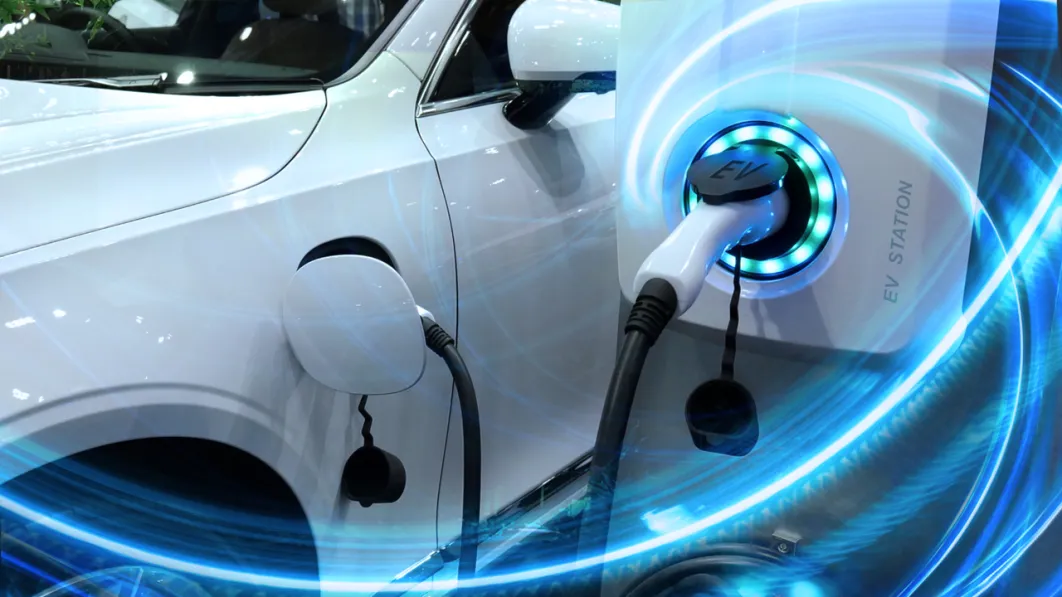
EV Charging Process

Industry Trends: China's EV Ecosystem and Silver Sintering

1. China's Unique EV Market Ecosystem

  • Strong Policy & Financial Backing: Driven by generous government incentives—such as massive tax break packages—and robust domestic/international private investments.
  • Unprecedented Infrastructure Growth: China is rolling out its EV charging network faster than any other nation, with millions of public and private chargers already installed.
  • Vertical Integration & High Risk-Tolerance: To avoid future supply chain bottlenecks (like the 2021 chip shortage), Chinese OEMs are aggressively shifting toward in-house manufacturing of powertrains, semiconductors, and battery cells. They show a significantly higher willingness to adopt innovative technologies quickly compared to their European counterparts.

2. The Rise of Silicon Carbide (SiC) and Silver Sintering

  • The Rapid Shift to SiC: Powered by the adoption of 800V battery systems, SiC is projected to capture over 50% of the traction inverter market within the next five years to optimize battery costs and system efficiency.
  • Silver Sintering vs. Traditional Soldering: SiC devices operate under higher temperatures and thermomechanical stress, which traditional SAC soldering cannot withstand. Silver sintering—specifically nano-particle technology introduced by pioneers like MacDermid Alpha—has emerged as the premier joining solution.

Key Technical Benefits & Challenges

⚡ Superior Performance & Efficiency

Superior Performance: It is thinner than solder, offering lower resistance and exceptionally high thermal and electrical conductivity.

Efficiency & Reliability: It reduces EV drivetrain losses by more than 30% and doubles component reliability, enabling greater driving range and vehicle lightweighting.

🛡️ Chip Protection

The process requires lower temperatures than traditional reflow soldering and allows for dual-side joining in a single step, minimizing thermal risk to sensitive semiconductors.

⚠️ The Mass Production Hurdle

While engineers recognize the advantages of silver sintering, the main barrier to widespread adoption is the industrial learning curve of transitioning mass-production equipment and expertise from traditional reflow processes to sintering.

Looking for Automotive Electronics Soldering Solutions?

The Junjun Tech engineering team will provide you with targeted sample testing and highly reliable process guidance to help you overcome demanding manufacturing challenges.

Contact Tech Experts Browse Product Catalog